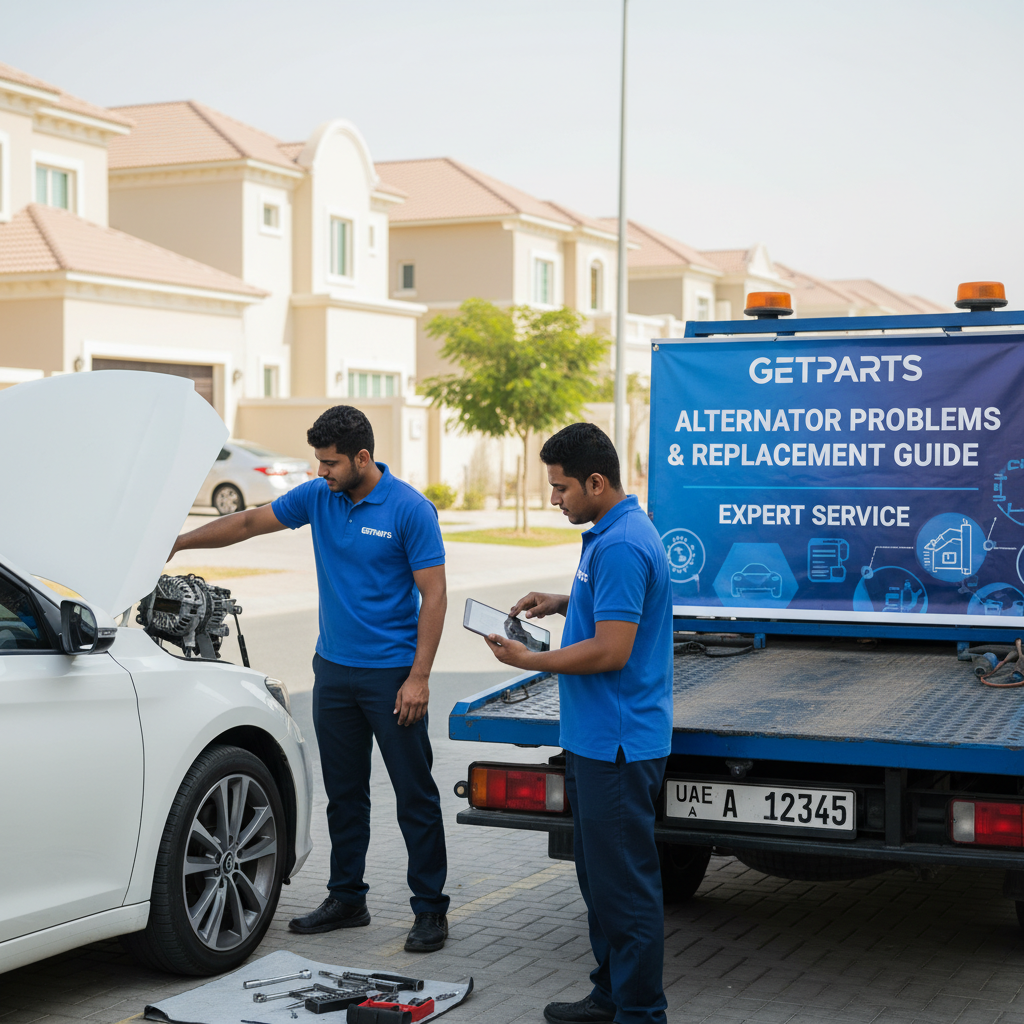
Spotting the Red Flags: When Your Alternator is Crying for Help
Your vehicle’s alternator might be a silent worker, but when it starts to fail, it can leave you stranded at the most inconvenient times. Recognizing the early signs of alternator problems is crucial for timely intervention.
- Dim Lights: One of the most common symptoms of an alternator issue is dimming headlights or interior lights. If you notice your lights flickering or failing to illuminate properly, it’s time to take action.
- Warning Light: Pay attention to the dashboard. The battery warning light often indicates an alternator malfunction.
- Odd Noises: Hear a whining or grinding noise? This could mean your alternator bearings are wearing out.
- Electrical Failures: Power windows or seats acting up? These could be signs of an alternator not supplying enough power.
- Dead Battery: A failing alternator can’t charge your battery effectively, leading to frequent dead batteries.
Steps to Replace an Alternator Like a Pro
Replacing an alternator isn’t just a job for seasoned mechanics. With the right guidance, you can do it yourself and save on costly professional services.
What You’ll Need:
- Socket set
- Wrench set
- Voltage meter
- Replacement alternator
Step-by-Step Guide:
- Disconnect the Battery: Always start by disconnecting the negative terminal to avoid any electrical shock.
- Remove the Belt: Use a wrench to relieve tension on the serpentine belt by turning the tensioner pulley.
- Disconnect the Wiring: Carefully unplug the electrical connections to the alternator.
- Remove the Alternator: Unbolt the alternator from its mounts and take it out.
- Install the New Alternator: Bolt the new alternator in place, reconnect the wiring, and replace the belt.
- Reconnect the Battery: Reattach the negative terminal, and you’re ready to test the new setup.
Cost-Effective Tips for Alternator Replacement
When dealing with car parts, costs can quickly add up. Consider these cost-saving strategies:
- Shop for Deals: Use services like GetParts (+971585959045) for quality parts that don’t break the bank.
- DIY Repairs: Attempting the replacement yourself can save on labor costs.
- Rebuilt Alternators: Opt for a refurbished alternator as a budget-friendly alternative.
With these insights, you can tackle alternator issues before they escalate, ensuring your vehicle remains reliable and road-ready.